
Step 2 — Algae & Nutrient Control
Figure out what's actually wrong before you dose anything.
After cycling, your tank often hits an "ugly stage" as it seeks balance — nuisance algae is normal, not a crisis. The fix is simple: identify which nutrient is driving it, then treat that one specifically.
Open the dosing appMatch your symptom to a product
Unlike Step 1's salts, none of these are variants of the same thing — each targets a different nutrient or nuisance.
| Symptom | Product | Starting dose | Requirement |
|---|---|---|---|
| Odor, tannins, heavy metals, or general toxins | Bio-Active Carbon™ | 15–50g/mo per 100L | Rinse before use; high flow or reactor |
| Nitrate reading above 15 ppm | HR Nitrate Remover™ | 1.5–6.0 mL/day per 100L | Protein skimmer, 3"+ substrate, dKH 7+, pH 8.2+ |
| Nitrate reading at or below 15 ppm | LR Nitrate Remover™ | 0.1–3.0 mL/day per 100L | Protein skimmer, 3"+ substrate, dKH 7+, pH 8.2+ |
| Algae blooms, brown coral tissue, or high phosphate | Phosphate Remover | 0.1–10.0 mL/day per 100L | Protein skimmer + high flow; overdose shows as white film |
| Want more, faster coralline algae coverage | Sweet Coralline™ | 1 mL per 100L per week | Suitable for FOWLR, LPS, Mixed, NPS, SPS |
Five products, five specific jobs
Use the one that matches your actual problem, not just whatever's on the shelf.
Bio-Active Carbon™
Activated carbon that adsorbs organic toxins, tannins, heavy metals, and ammonia while promoting beneficial bacteria growth.
Shop Carbon →HR Nitrate Remover™
Feeds denitrifying bacteria in your rock and sand bed, converting nitrate into inert nitrogen gas. For readings above 15 ppm.
Shop HR Nitrate →LR Nitrate Remover™
The same denitrifying approach as HR, dosed lighter for tanks already close to zero that just need fine maintenance.
Shop LR Nitrate →Phosphate Remover
A lanthanum-based media that precipitates out both free and chemically-bound phosphate — the kind test kits often miss.
Shop Phosphate →Sweet Coralline™
Major, minor and trace elements dosed specifically to feed coralline growth and stabilize alkalinity.
Shop Coralline →What's actually feeding the algae
The nutrients behind most nuisance algae, and what each product in this line targets.
Ammonia & ammonium
The most acutely toxic waste product — mainly from uneaten food. Bio-Active Carbon adsorbs it directly along with related organic toxins.
Nitrate
The end product of the nitrogen cycle. Builds up over time and feeds algae — HR or LR Nitrate Remover feeds it to denitrifying bacteria instead.
Phosphate
Exists both freely dissolved and chemically bound to calcium — the bound form won't show on basic test kits. Phosphate Remover pulls out both.
Coralline algae
The desirable purple/pink coating on rock and glass — it needs its own mineral supply. Sweet Coralline feeds it directly.
Questions we get a lot
How do I know if I need HR or LR Nitrate Remover?+
Do I need a protein skimmer to use these?+
How do I know if I'm overdosing Phosphate Remover?+
Can Sweet Coralline be used in any tank type?+
Is nuisance algae after cycling something to worry about?+
Not sure what's driving your algae?
The Quantum dosing app can help you work backward from your test results to the right product.
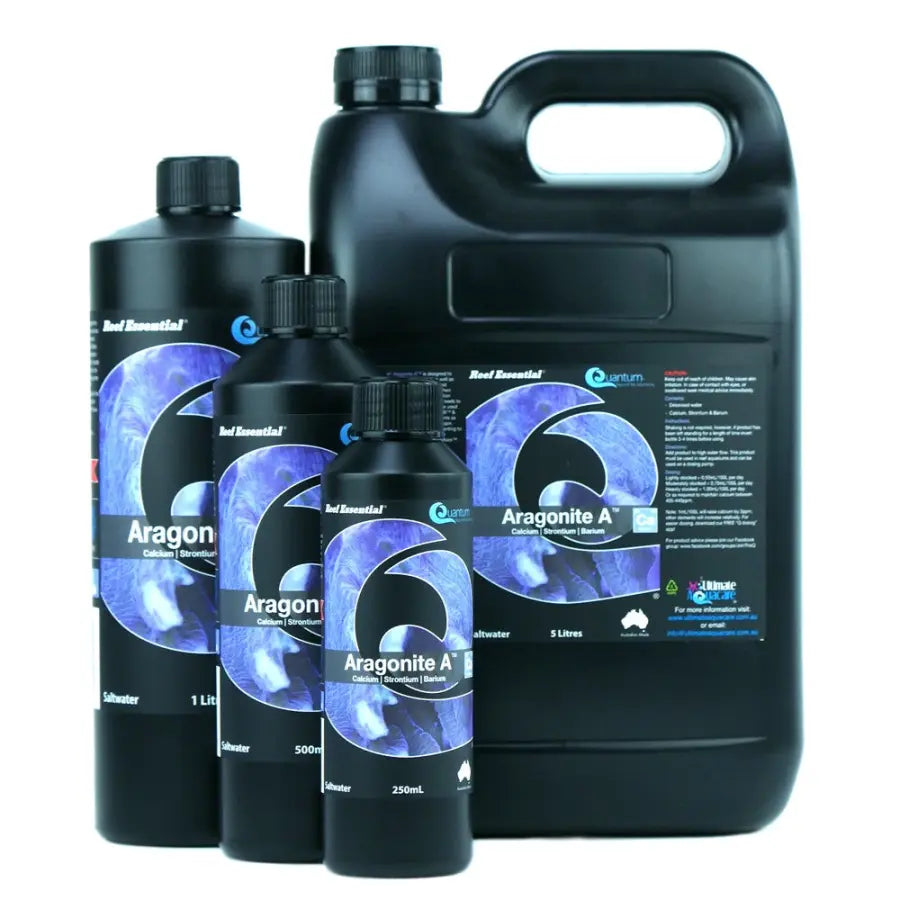
Aragonite A Calcium
- Regular Price
- from $22.49
- Sale Price
- from $22.49
- Regular Price
-
- Unit Price
- Translation missing: en.general.accessibility.unit_price_separator
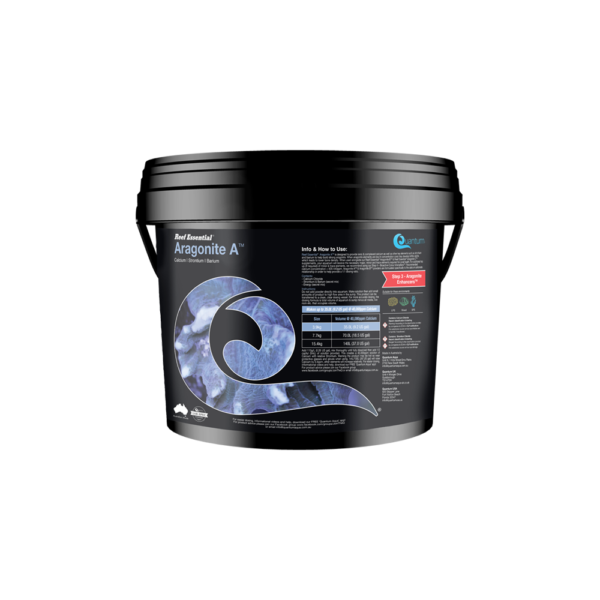
Aragonite A Powder
- Regular Price
- from $79.99
- Sale Price
- from $79.99
- Regular Price
-
- Unit Price
- Translation missing: en.general.accessibility.unit_price_separator
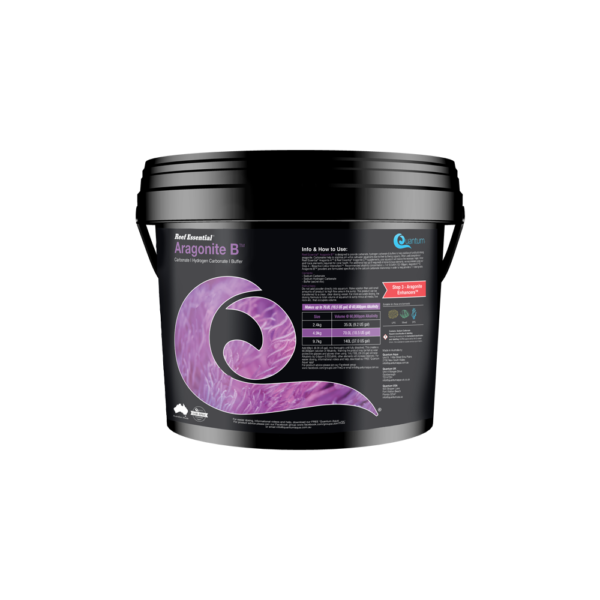
Aragonite B Powder
- Regular Price
- from $48.99
- Sale Price
- from $48.99
- Regular Price
-
- Unit Price
- Translation missing: en.general.accessibility.unit_price_separator
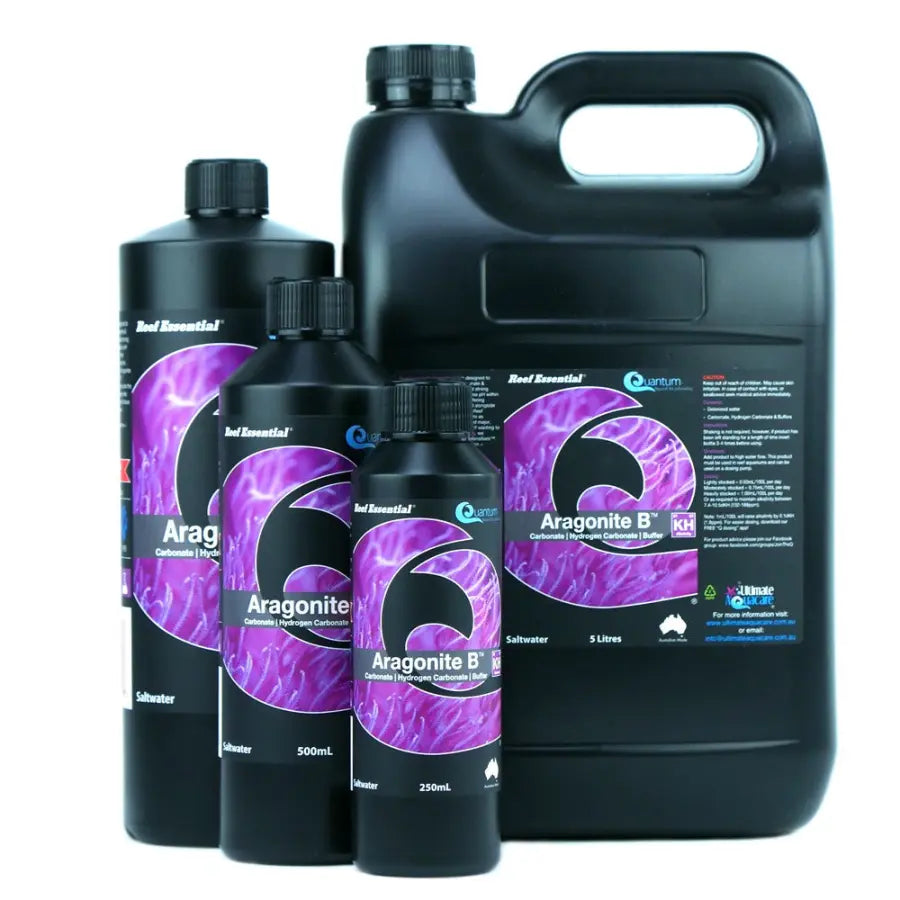
Aragonite B™ Alkalinity
- Regular Price
- from $22.49
- Sale Price
- from $22.49
- Regular Price
-
- Unit Price
- Translation missing: en.general.accessibility.unit_price_separator
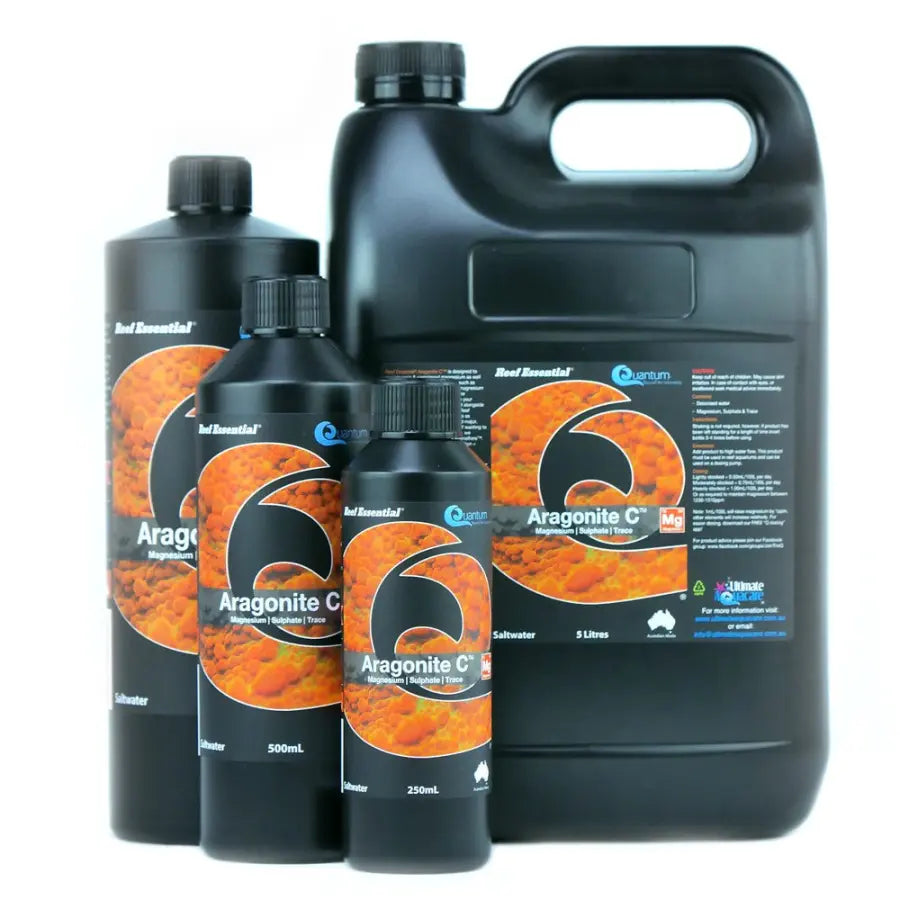
Aragonite C™ Magnesium
- Regular Price
- from $22.49
- Sale Price
- from $22.49
- Regular Price
-
- Unit Price
- Translation missing: en.general.accessibility.unit_price_separator
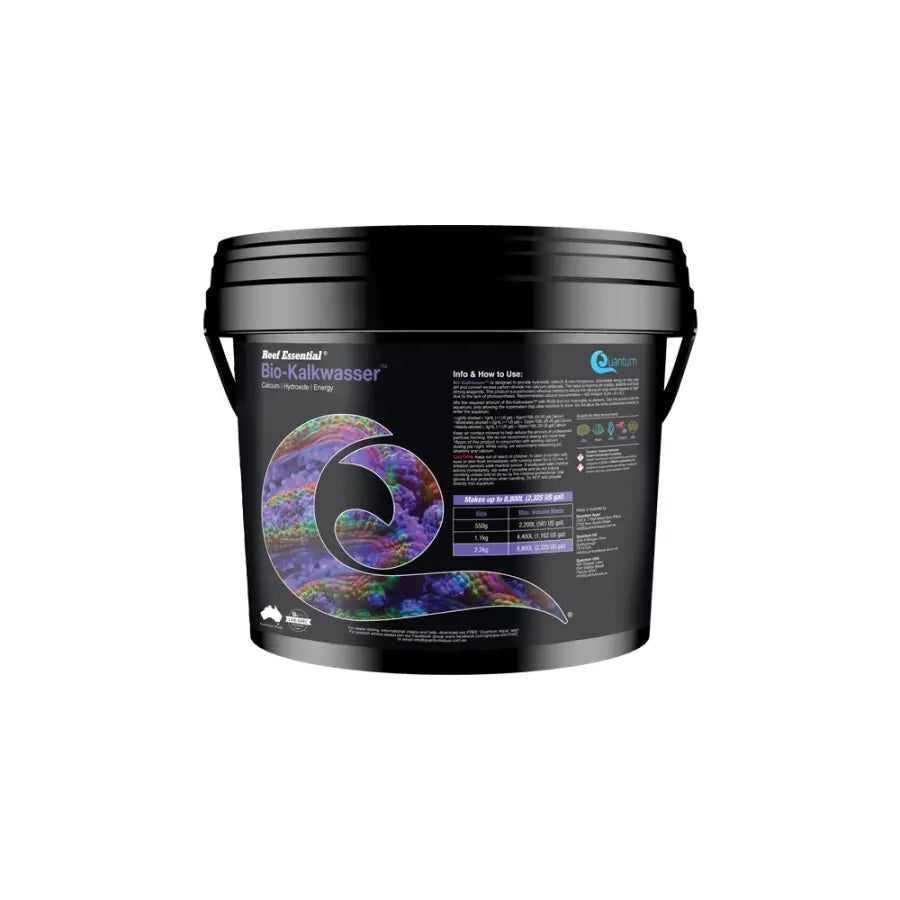
Bio-Kalkwasser™
- Regular Price
- from $27.99
- Sale Price
- from $27.99
- Regular Price
-
- Unit Price
- Translation missing: en.general.accessibility.unit_price_separator